
Teacher Program Overview
Welcome to the Teacher's Induction Program webpage! Our initiative focuses on enhancing the skills and methodologies of educators in the science domain, ensuring they are well-equipped to foster engaging and effective learning environments.
Program Highlights
Total Programs Arranged: 7
Total Teachers Inducted: 151
Our induction programs are designed to strengthen classroom practices through hands-on, activity-based learning. Each session is tailored to provide teachers with innovative pedagogical strategies and resources, promoting inquiry-based learning aligned with the National Education Policy (NEP).
Teachers Induction Reports
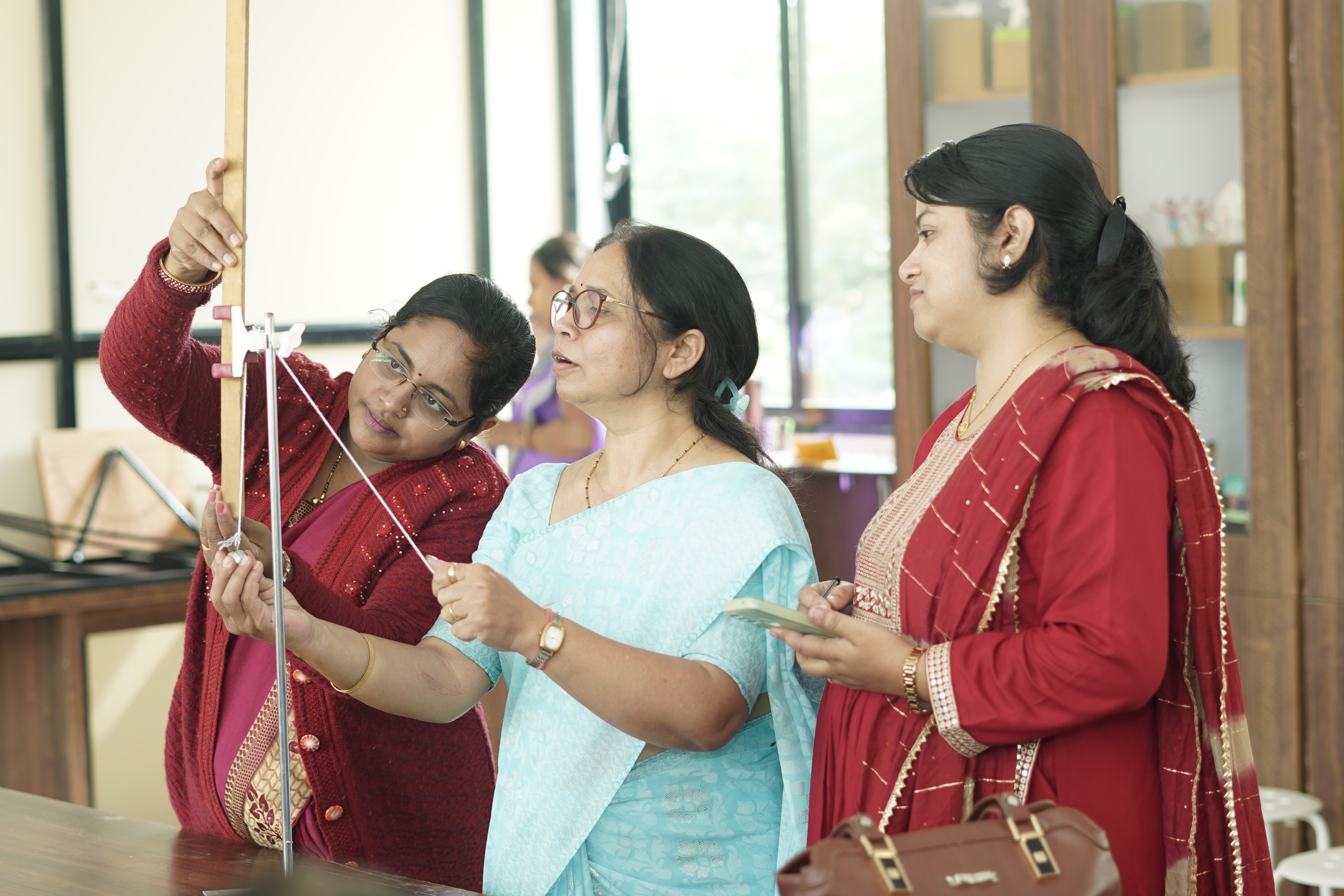
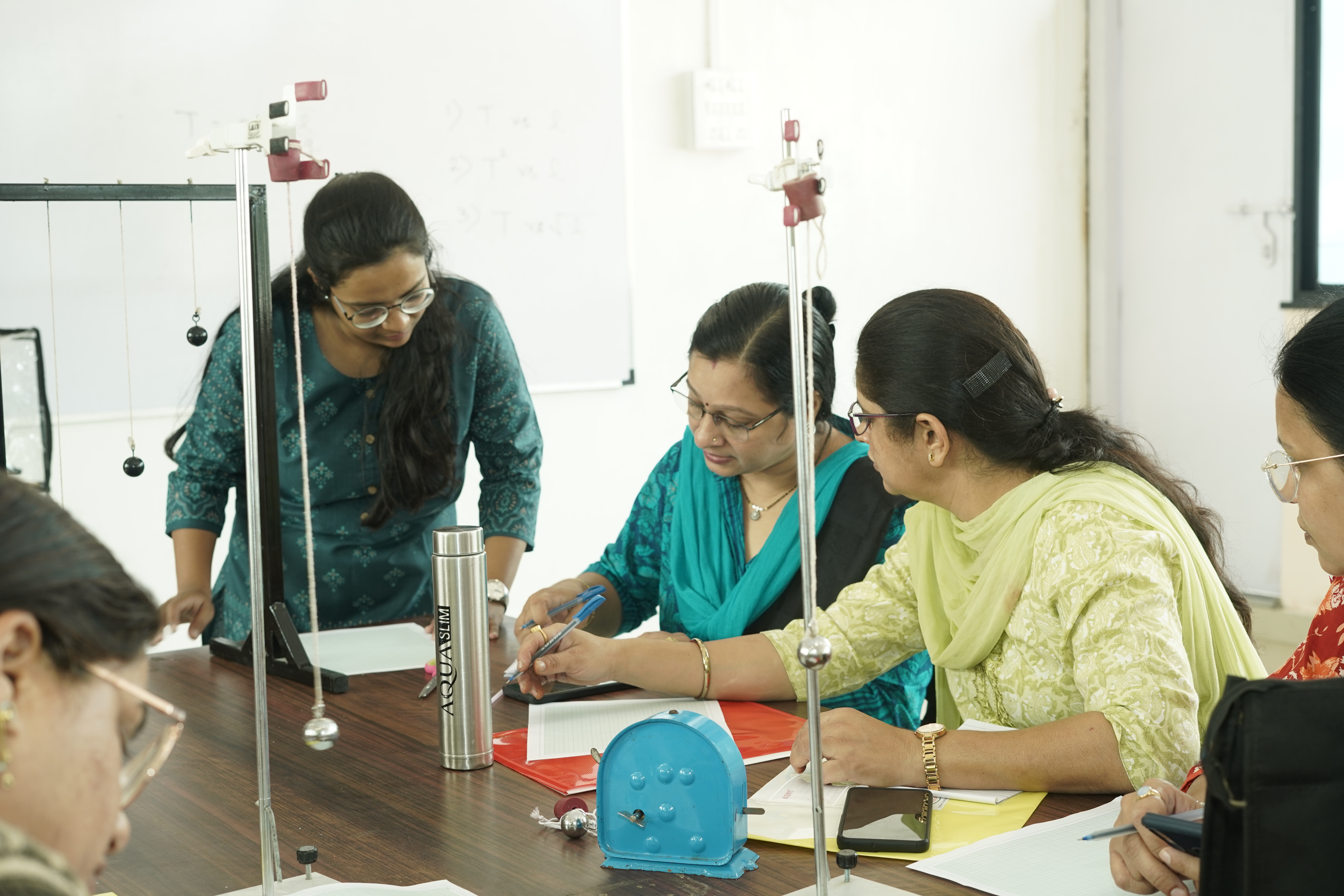
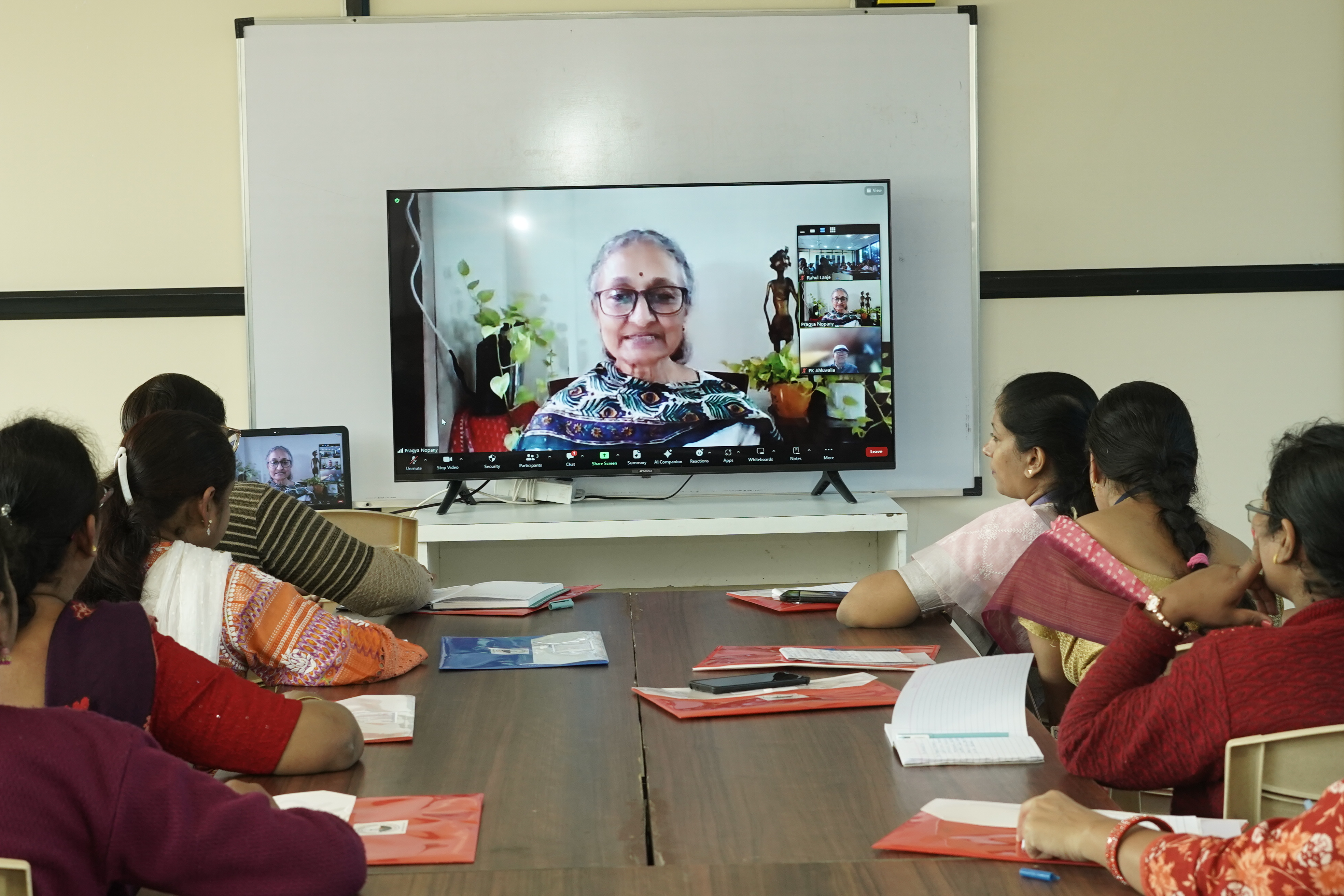
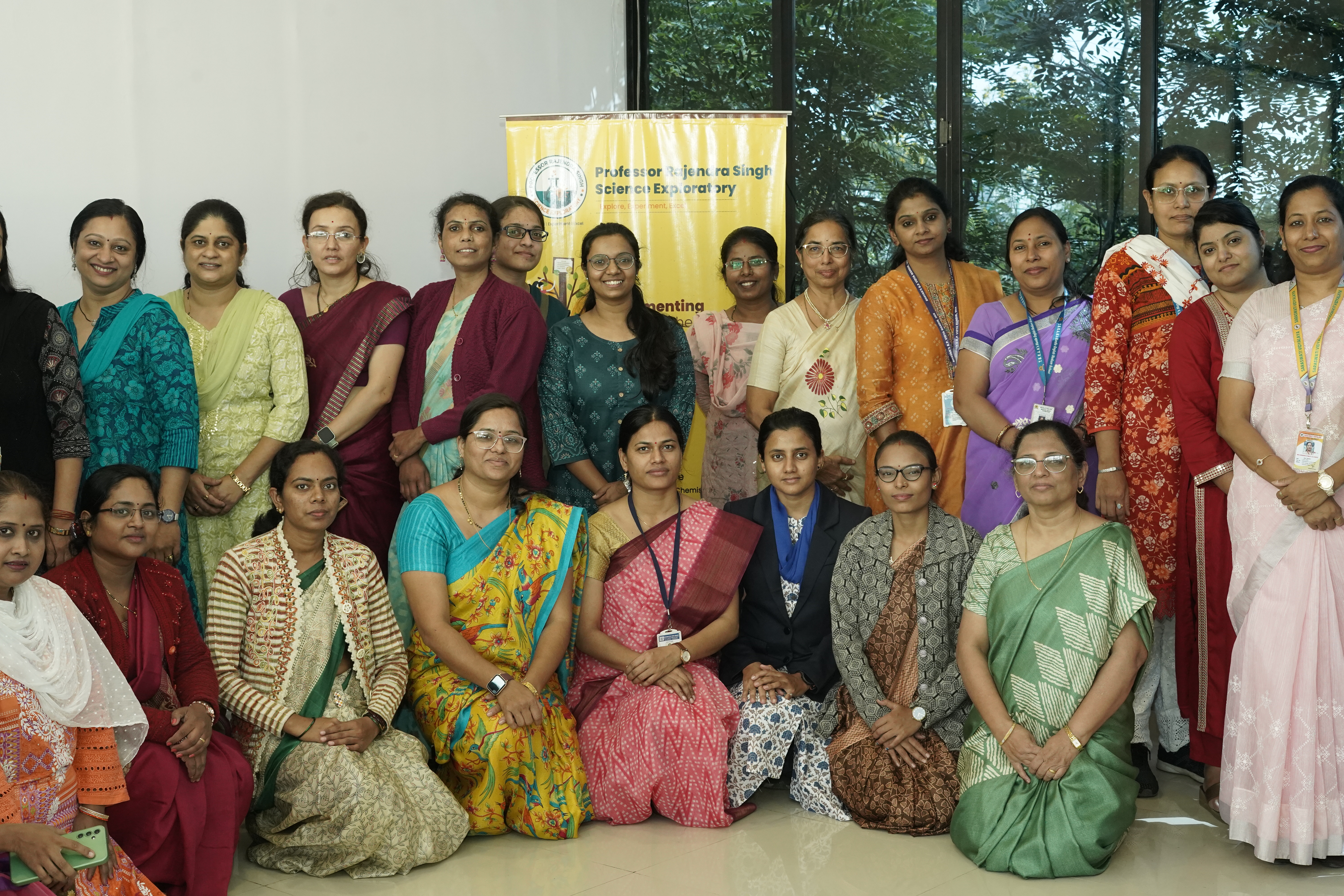
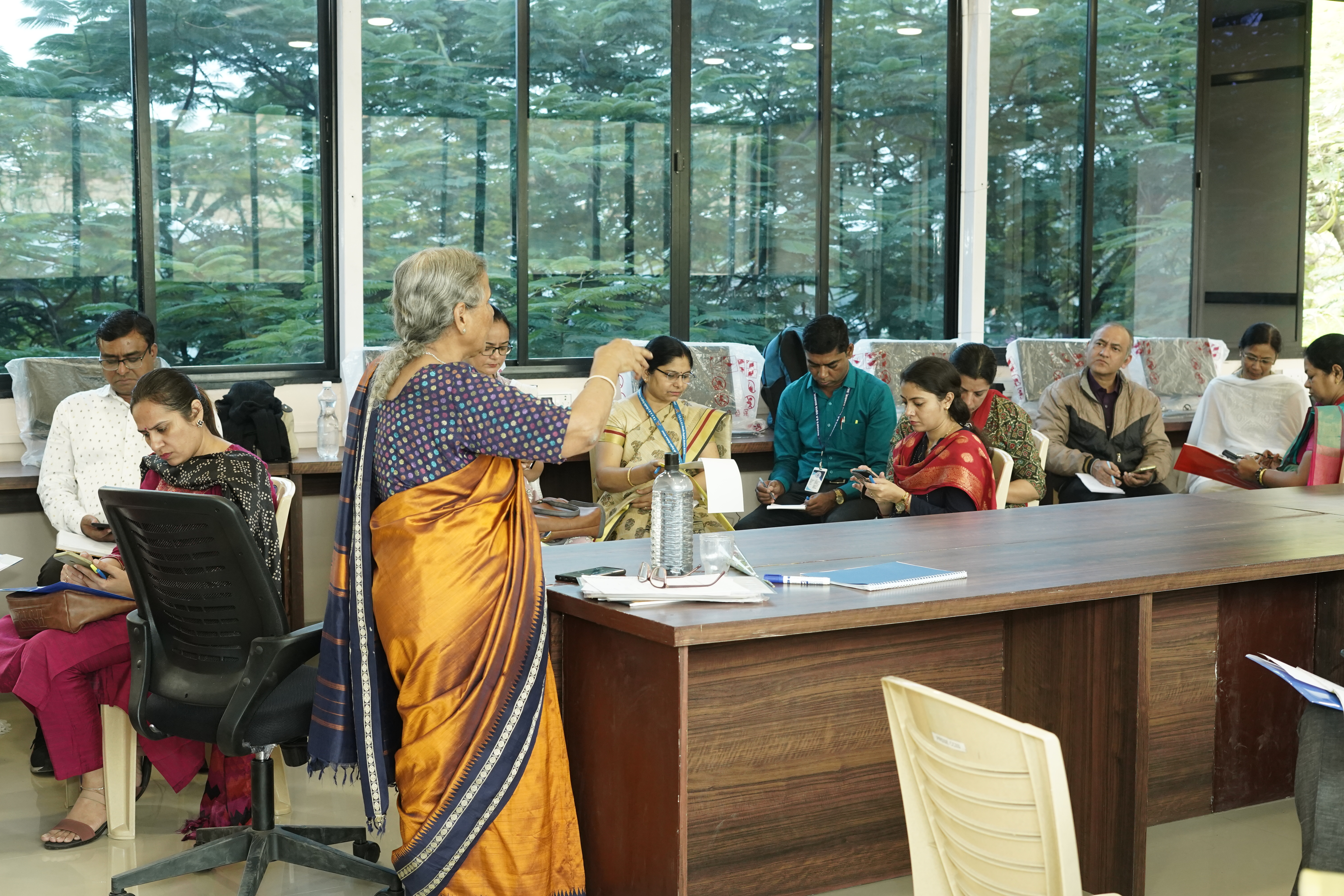
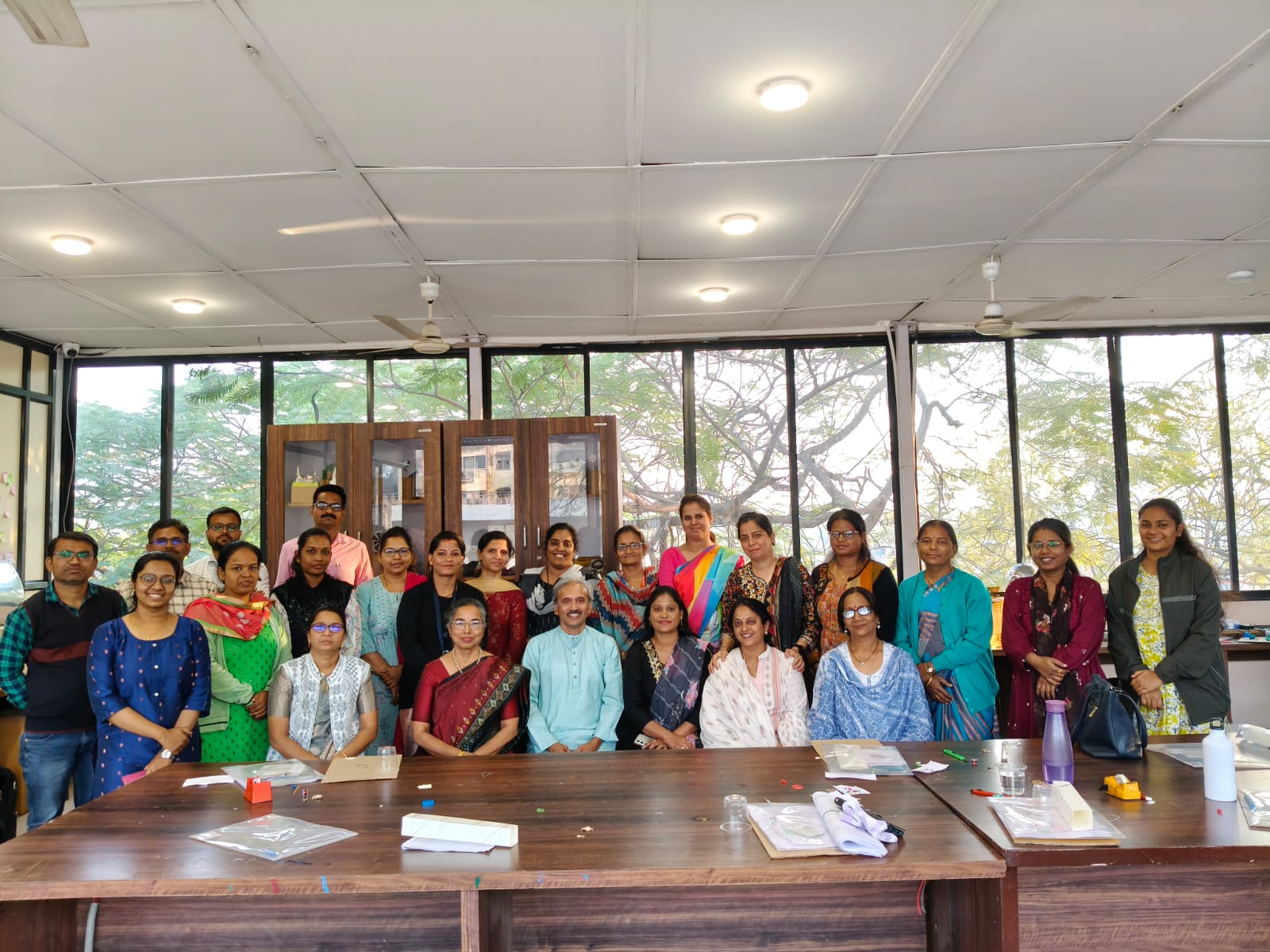
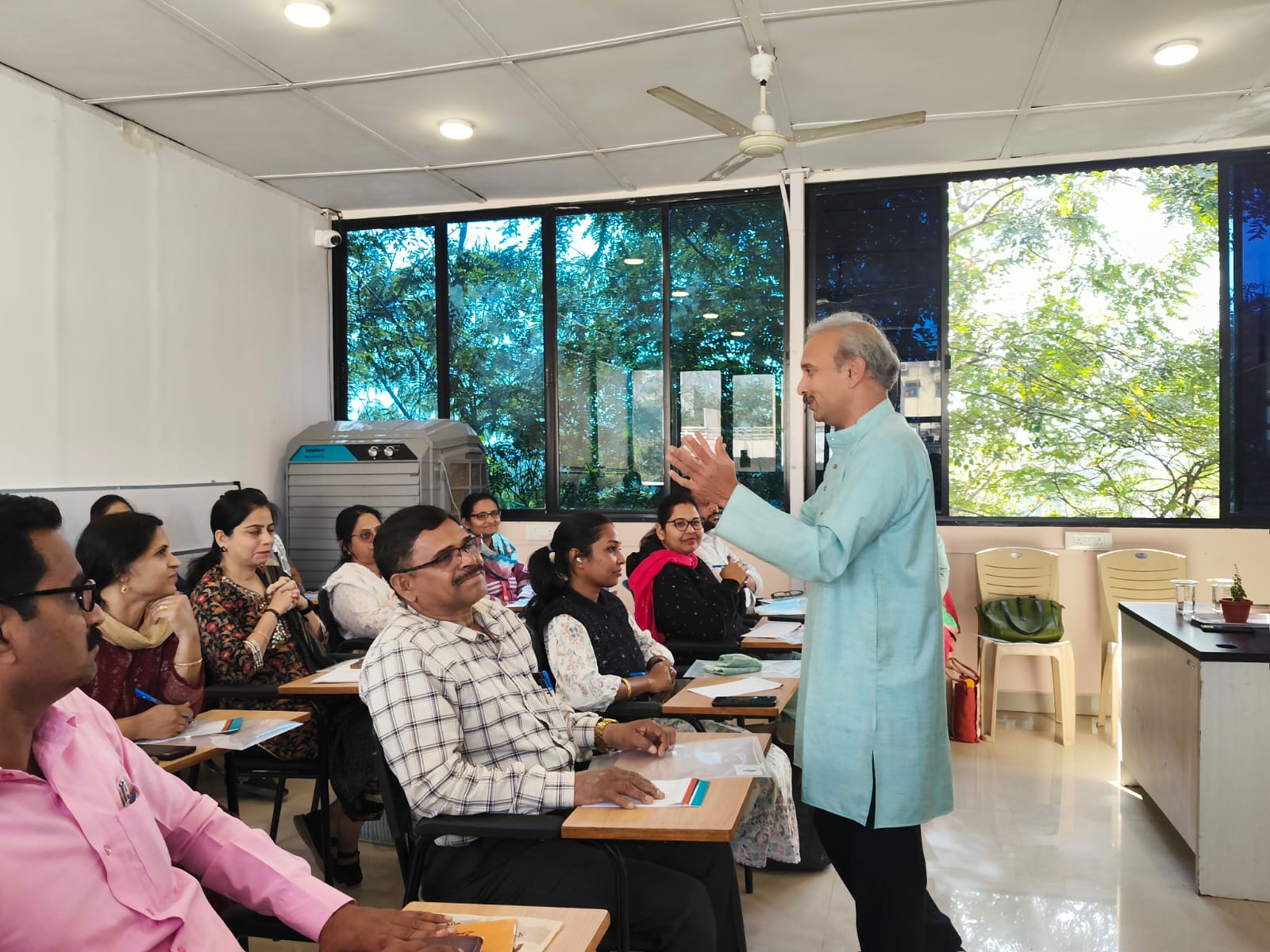

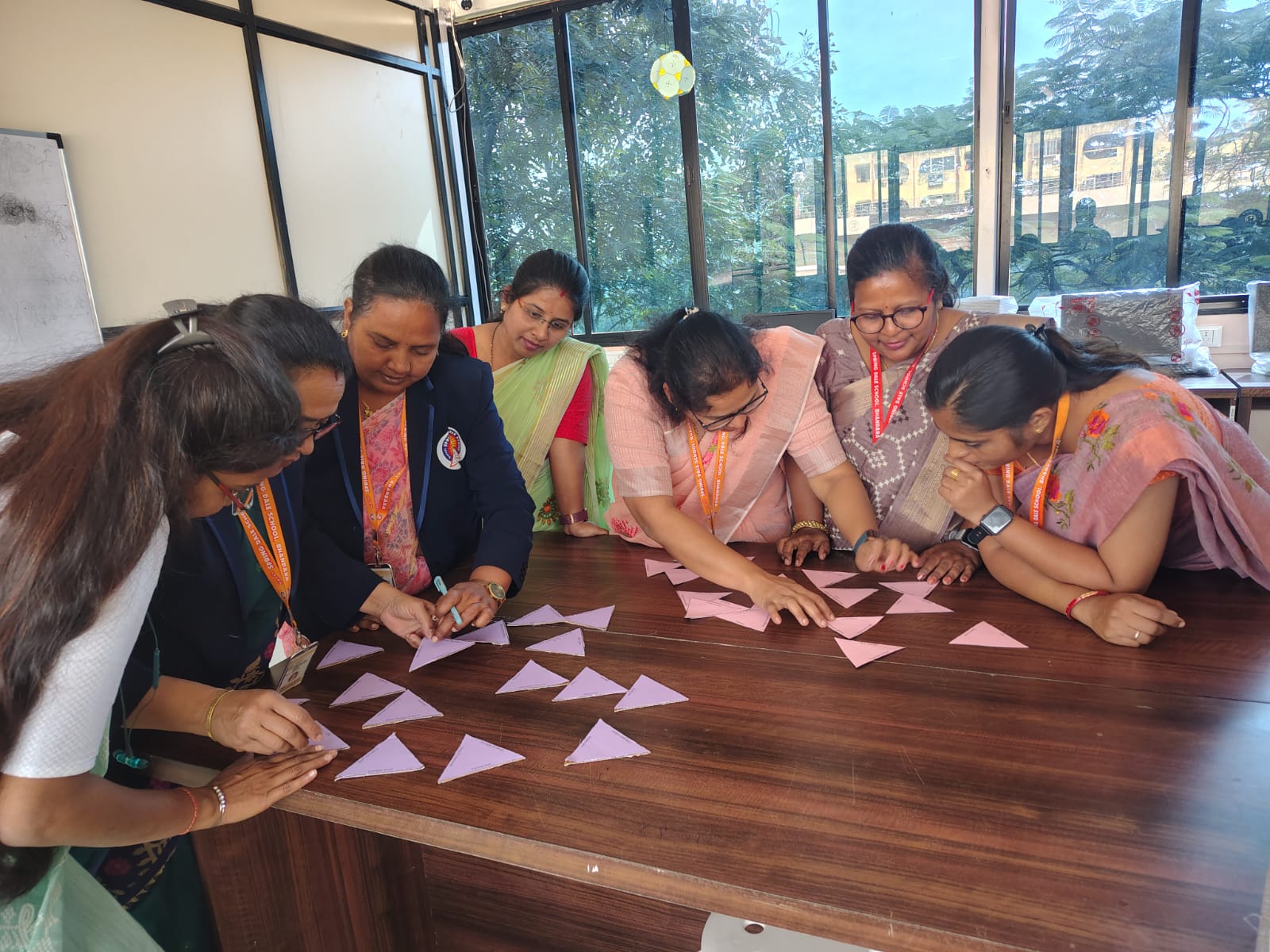
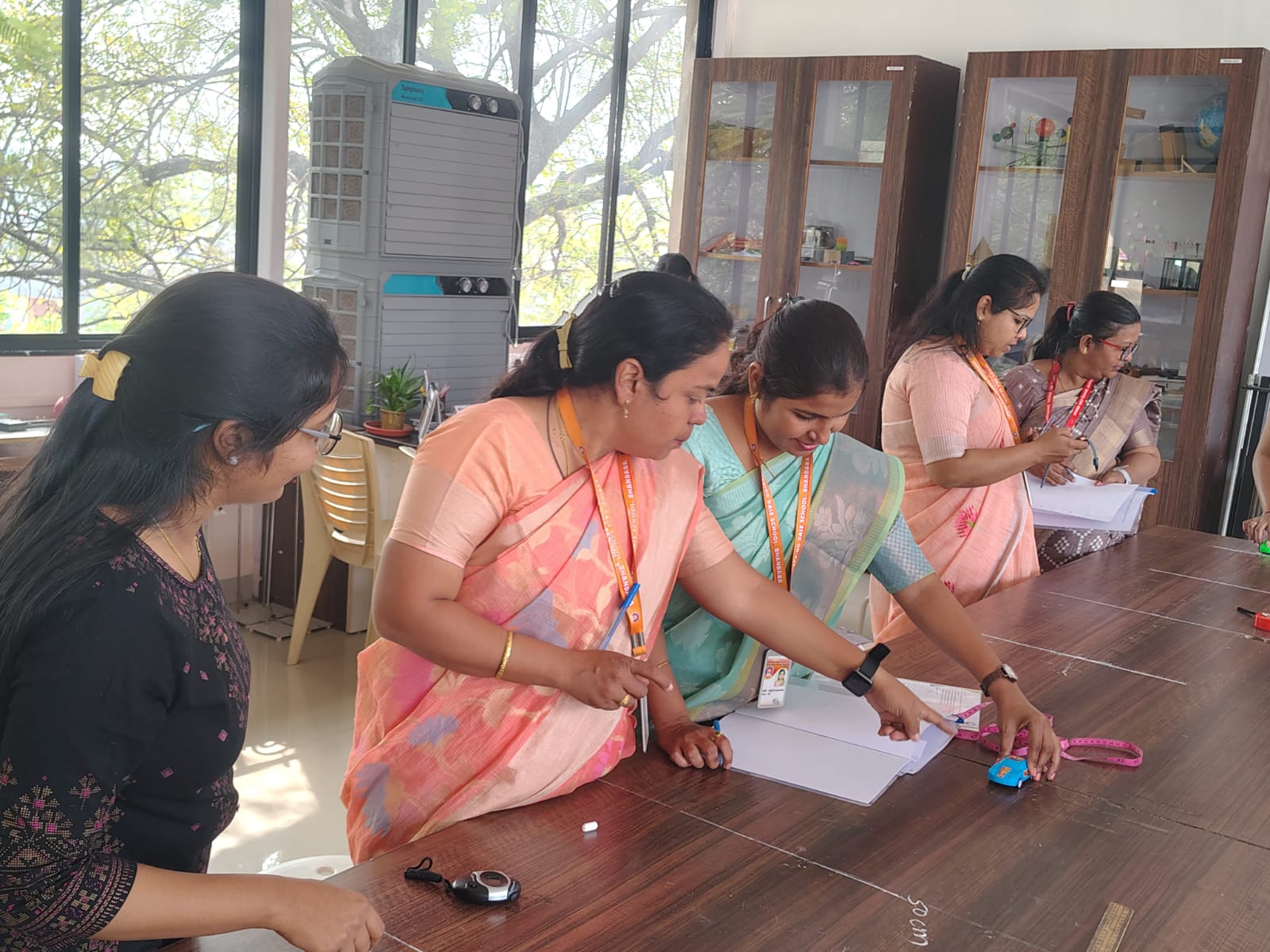

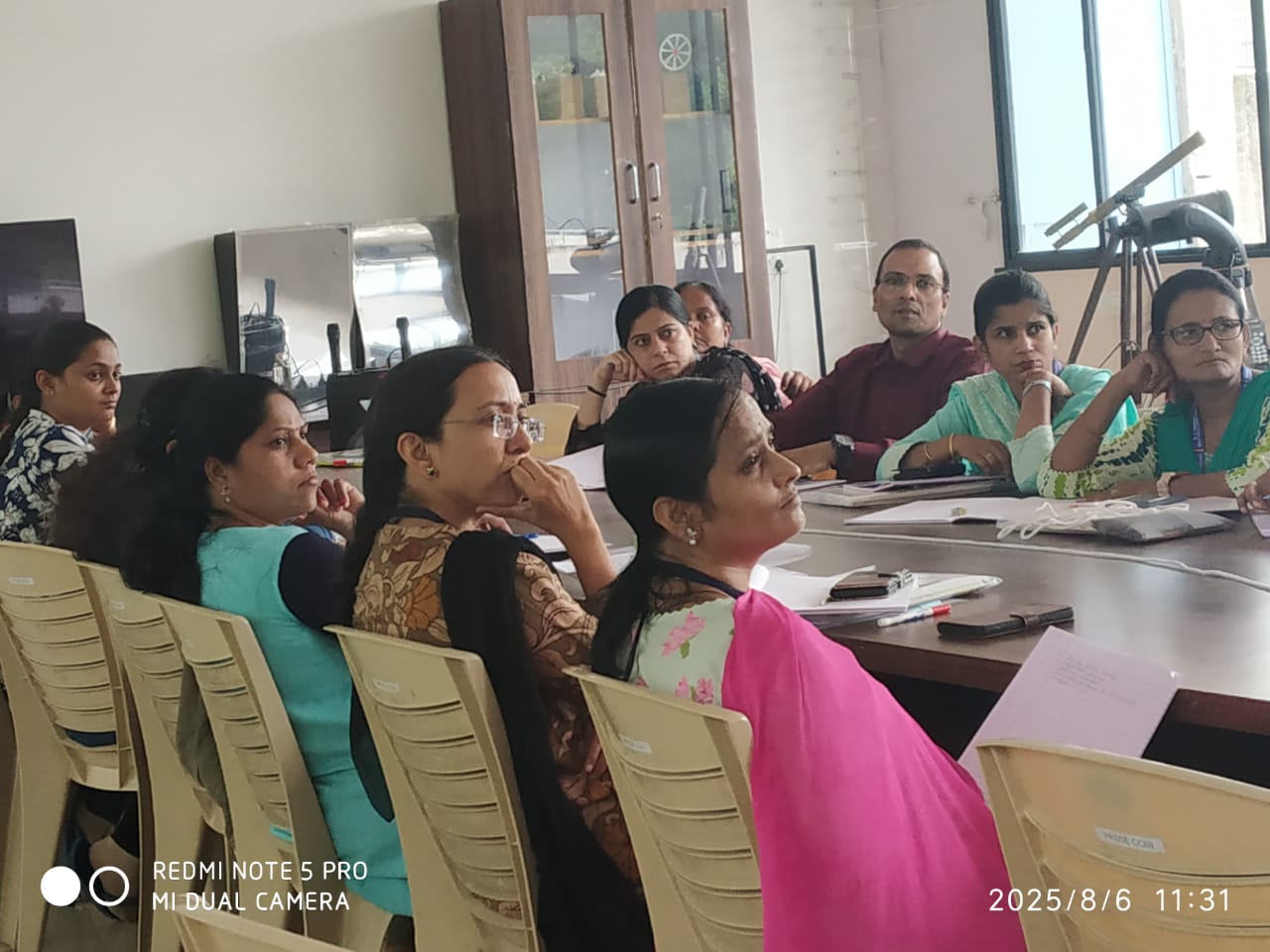
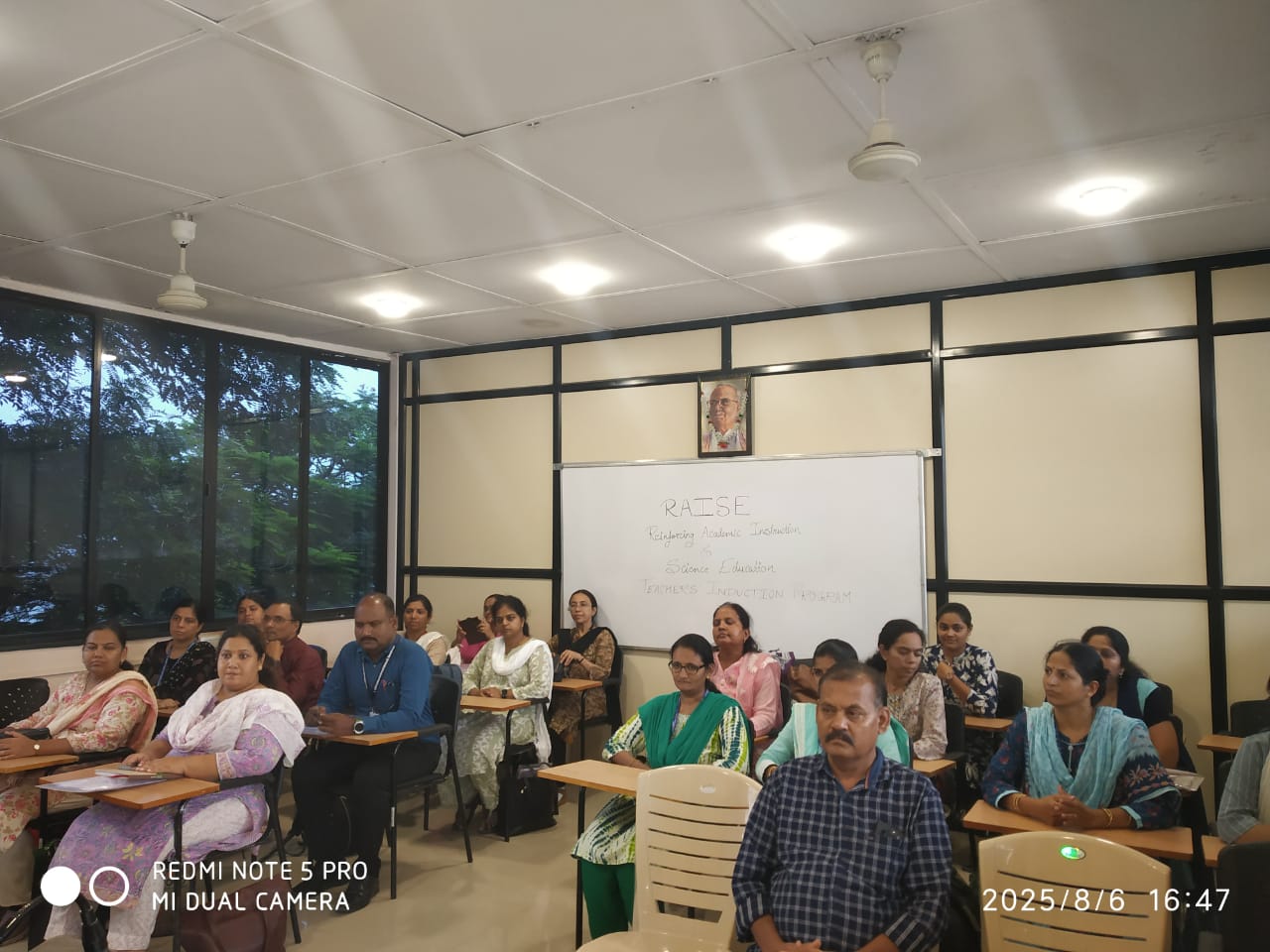
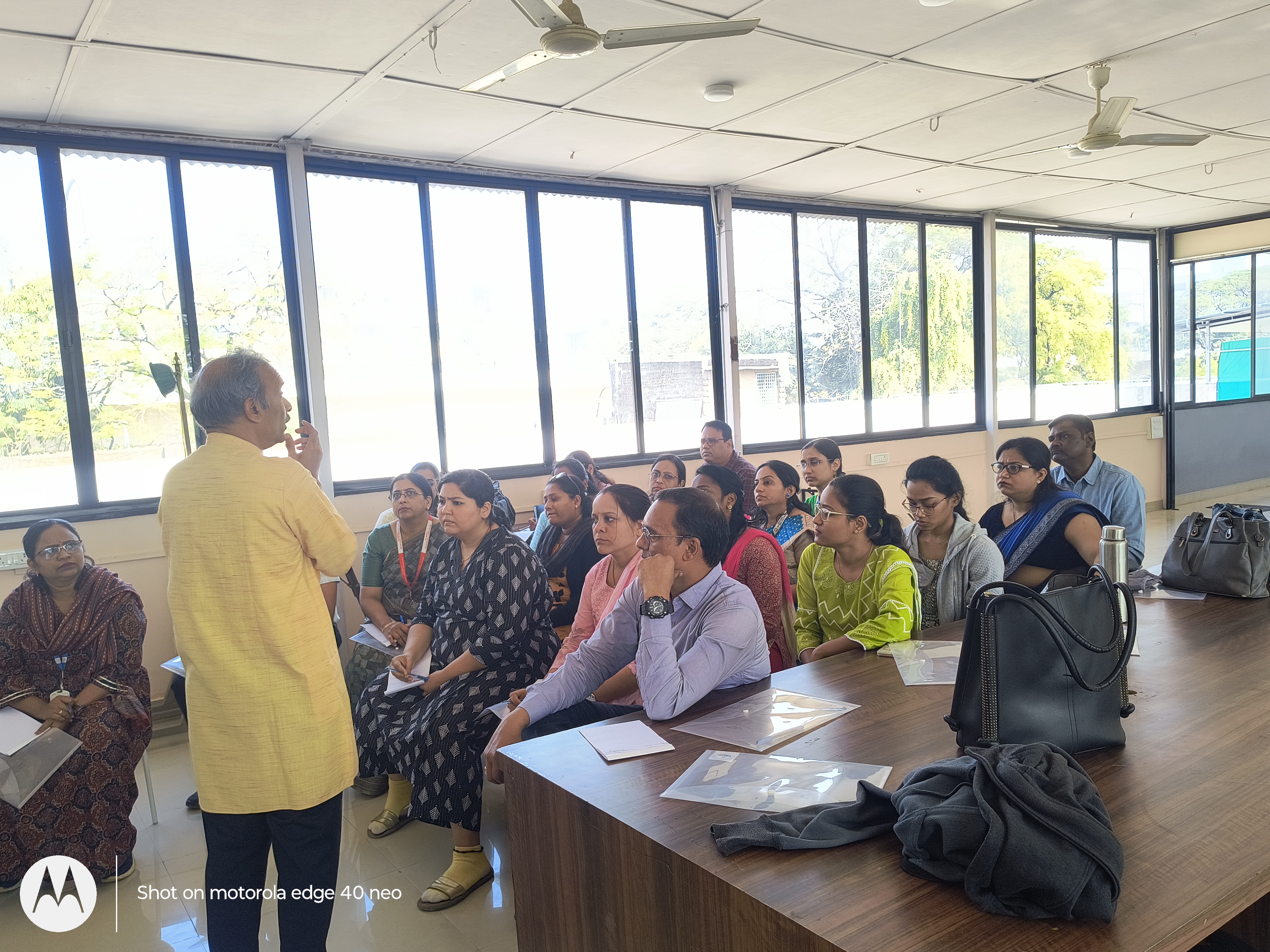
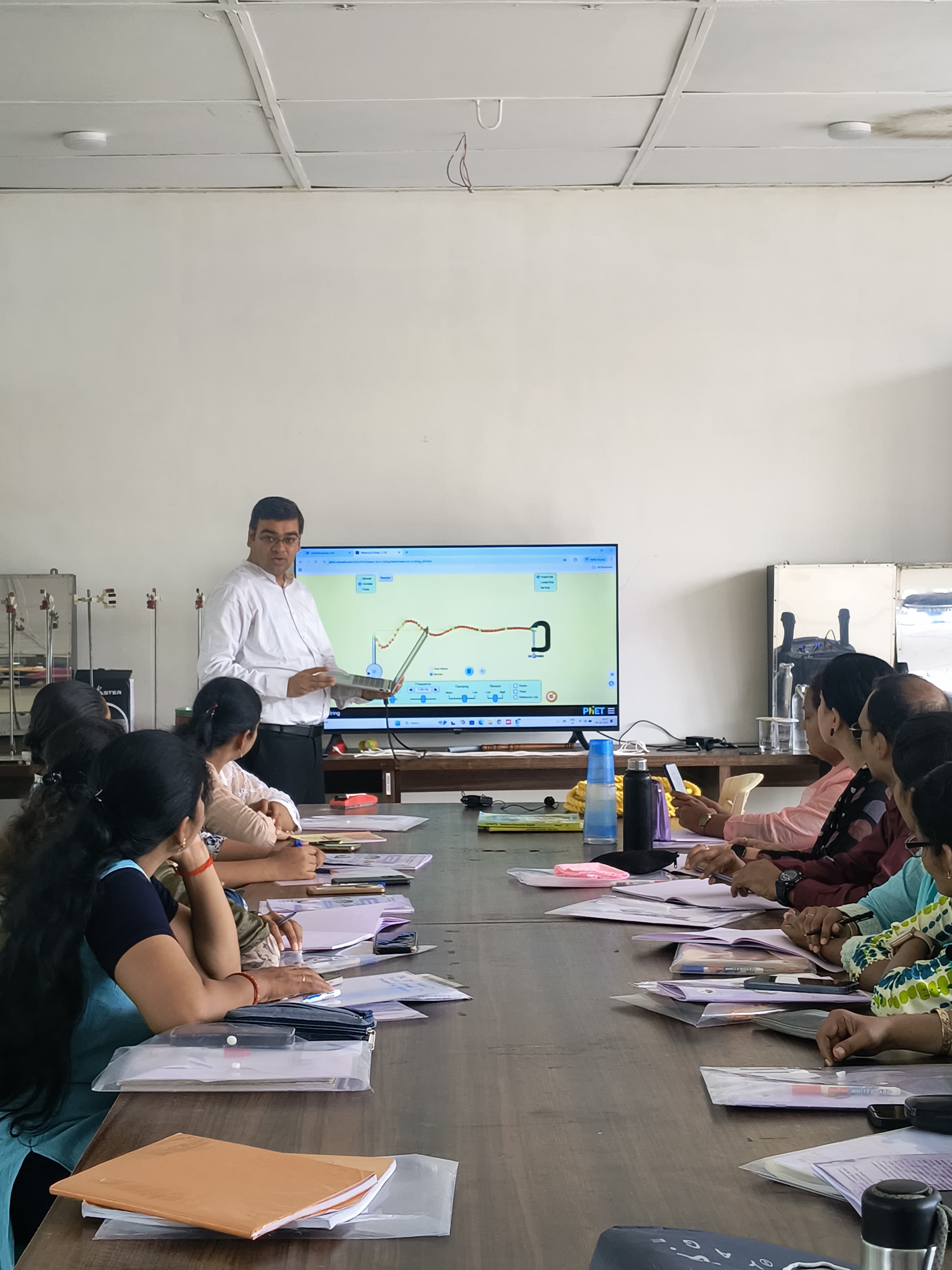
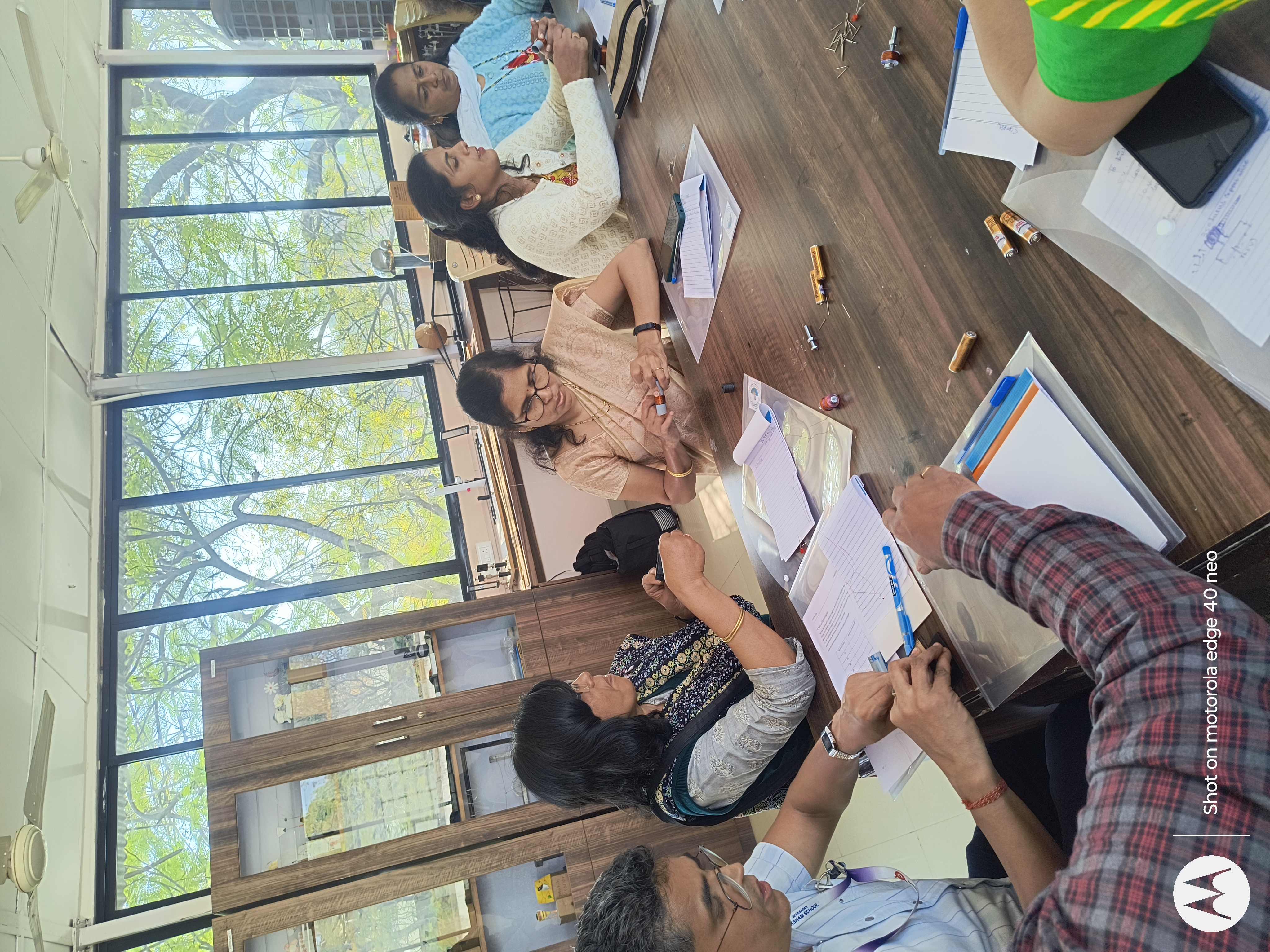
Report on the First session of the Annual Induction Program – RAISE(Reinforcement of Academic Instruction and Science Education) (August 5th and 6th, 2025)
Objective:
- Equip teachers with a clear understanding of the core principles of the National Education Policy (NEP) 2020, such as experiential learning, competency-based education, and multidisciplinary approaches.
- Demonstrate practical strategies for aligning lesson planning, assessment techniques, and classroom activities with NEP recommendations.
- Introduce inquiry-based approaches where students explore, question, and discover concepts through guided investigation rather than rote memorization.
- Encourage the use of hands-on experiments, real-life applications, and project-based learning to develop deeper conceptual understanding.
- Showcase simple, cost-effective teaching aids and materials that can be created using locally available resources.
- Demonstrate how such activities can make abstract concepts in Science and Mathematics tangible and relatable.
Number of Participants: 19
Number of Schools Participated: 15
Resource Person:
- Shri Ravindra Godbole (Alumnus IISC Bangalore): Senior Educationist and Teacher Trainer, Pune
- Dr. Govinda Lakhotiya(Asst. Professor, Physics Department, Dharampeth MP Deo Memorial Science College, Nagpur
Program Highlights
- Interactive Sessions on NEP 2020 Implementation – Practical strategies for integrating competency-based education in classrooms.
- Activity-Based Learning Modules – Demonstrations and discussions on innovative, low-cost teaching aids for Science and Math.
- Collaborative Lesson Planning – Teachers worked in groups to design NEP-aligned lesson plans.
- Professional Networking – Opportunities to exchange ideas and share classroom experiences.
Key Outcomes
- Enhanced understanding of NEP 2020 and its classroom integration strategies.
- Improved teaching methodologies aligned with experiential and inquiry-based learning principles.
- Strengthened professional bonds among educators through collaboration and shared experiences.
Report on Hands-on Teachers’ Enrichment Program for High School Physics ( 23rd January 2025)
A Hands-on Teachers’ Enrichment Program for Middle School Physics was successfully conducted to empower educators with innovative pedagogical strategies. The program aimed to make physics concepts more engaging and accessible for students through interactive sessions, practical applications, and experiential learning.
Objective:
- Equip middle school physics teachers with innovative and practical teaching methodologies.
- Enhance teachers’ ability to demonstrate fundamental physics concepts through hands-on activities and experiments.
- Introduce technology integration in classrooms, including the use of mobile apps and simulations for effective learning.
- Develop skills for creating an interactive and engaging learning environment through activity-based and inquiry-driven approaches.
- Encourage the use of low-cost, easily accessible teaching aids for classroom demonstrations.
Number of Participants: 22
Number of Schools Participated: 18
Resource Person:
- Shri Ravindra Godbole (Alumnus IISC Bangalore): Senior Educationist and Teacher Trainer, Pune
Program Highlights
- Hands-on Activities: Participants engaged in practical experiments and created teaching aids using low-cost materials.
- Technology Integration: Sessions emphasized the role of mobile apps and simulations in making classroom teaching more effective.
- Collaborative Learning: Teachers worked in groups to design lesson plans blending theory, experiments, and digital tools.
Feedbacks: Click Here
Key Outcomes
- Teachers gained practical skills for conducting physics activities and incorporating technology in the classroom.
- Enhanced confidence in implementing activity-based and inquiry-driven learning approaches.
Report on Hands-on Teachers’ Enrichment Program for Middle School Physics ( 22nd January 2025)
A Hands-on Teachers’ Enrichment Program for Middle School Physics was successfully conducted to empower educators with innovative pedagogical strategies. The program aimed to make physics concepts more engaging and accessible for students through interactive sessions, practical applications, and experiential learning.
Objective:
- Equip middle school physics teachers with innovative and practical teaching methodologies.
- Enhance teachers’ ability to demonstrate fundamental physics concepts through hands-on activities and experiments.
- Introduce technology integration in classrooms, including the use of mobile apps and simulations for effective learning.
- Develop skills for creating an interactive and engaging learning environment through activity-based and inquiry-driven approaches.
- Encourage the use of low-cost, easily accessible teaching aids for classroom demonstrations.
Number of Participants: 17
Number of Schools Participated: 15
Resource Person:
- Shri Ravindra Godbole (Alumnus IISC Bangalore): Senior Educationist and Teacher Trainer, Pune
Key Topics Covered
- Optics with Plane Mirrors – Simple demonstrations and real-life applications to clarify fundamental concepts.
- Electromagnetism Basics – Hands-on experiments and models to explain magnetic and electric interactions.
- Simulations for Concept Visualization – Introducing virtual simulations to demonstrate abstract concepts effectively.
- Professional Networking – Opportunities to exchange ideas and share classroom experiences.
Highlights
- Hands-on Activities: Participants engaged in practical experiments and created teaching aids using low-cost materials.
- Technology Integration: Sessions emphasized the role of mobile apps and simulations in making classroom teaching more effective.
- Collaborative Learning: Teachers worked in groups to design lesson plans blending theory, experiments, and digital tools.
Feedbacks: Click Here
Outcomes
- Teachers gained practical skills for conducting physics activities and incorporating technology in the classroom.
- Enhanced confidence in implementing activity-based and inquiry-driven learning approaches.
Report on Teachers’ Capacity Building Program ( 30th November 2024)
A Teachers’ Capacity Building Program was conducted by Professor Rajendra Singh Science Exploratory educators for the teachers of Sunny Spring School Bhandara , focusing on strengthening experiential science teaching practices. This collaborative initiative aimed to enrich the participants’ pedagogical skills and boost their confidence in delivering engaging science education
Objective:
- Familiarize teachers with experiential and activity-based approaches to science instruction..
- Enhance teachers’ ability to demonstrate fundamental physics concepts through hands-on activities and experiments.
- Encourage the use of inquiry-driven learning and ICT tools to enhance lesson engagement.
- Enable teachers to design lessons that spark student curiosity and imagination.
Number of Participants: 14
Resource Person:
- Mrs.Shikha Vyas (Academic Head and Chemistry Teacher)>
- Miss. Radhika Kayande (Asst. Academic Coordinator and Physics Teacher)
Highlights
- Orientation to Science Exploratory’s labs, models, and teaching resources.
- Demonstrations of simple and advanced experiments in physics & chemistry.
- Collaborative group activities and brainstorming on integrating new techniques in daily lessons.
- Guidance on creating low-cost teaching aids and digital content for science topics.
- Interactive feedback sessions with resource educators to address challenges and share best practices.
Outcomes
- Teachers gained confidence in using activity-based and inquiry-oriented teaching strategies.
- Participants developed practical skills in designing and conducting classroom experiments in alignment with curriculum standards.
- Feedback from Sunny School teachers reflected a high degree of satisfaction and a strong interest in ongoing professional development.
- The program established a foundation for future collaborations and ongoing support between PRS Science Exploratory and Sunny Spring Dale School Bhandara.
Report on Teachers Training Program on 3D designing for ATL lab teachers (25th January 2024)
A one-day hands-on workshop on 3D Designing was conducted at Science Exploratory on ATL (Atal Tinkering Lab) teachers from various schools across Nagpur. The primary objective of the workshop was to introduce teachers to advanced design tools and techniques, enabling them to integrate 3D designing into their school innovation programs effectively.
Number of Participants: 19
No. of Schools Participated: 19
Categories: Middle school and High school
Resource Person:
- Mr. Akshay Phatak ( Design and Development Engineer )
Objective:
- To familiarize teachers with the basics and applications of 3D Designing.
- To enhance skills in using 3D design software for creating innovative models.
- To promote creative thinking and problem-solving aligned with ATL objectives.
- To provide hands-on experience for effective classroom implementation.
Workshop Highlights
- Introduction to 3D Designing Tools: Overview of design principles and software used in 3D modeling.
- Practical Demonstrations: Teachers were guided step-by-step to create 3D models.
- Hands-on Practice: Participants worked on various design projects under expert guidance.
- Discussion on Classroom Applications: Strategies to implement 3D design in ATL activities for students.
Outcomes
- Teachers gained practical knowledge of 3D design tools and their classroom applications.
- Improved confidence in guiding students on ATL projects using design thinking and 3D modeling.
- Strengthened capability to implement innovation-based activities as per the ATL framework.
- The program established a foundation for future collaborations and ongoing support between PRS Science Exploratory and Sunny Spring Dale School Bhandara.
Feedbacks: Click Here
Report on Teachers’ Induction Program (1st December 2023)
A Teacher’s induction programme was held at the Prof. Rajendra Singh Science Exploratory for high school teachers to improve science classroom practices by promoting hands-on and activity-based learning methods. The initiative aimed to empower teachers with innovative teaching strategies, foster inquiry-driven education, and familiarize them with scientific models and resources offered by the Exploratory, all within the framework of the NEP’s focus on experiential and modern science pedagogy.
Theme: Implementing NEP in Classrooms, with an emphasis on blending experiential learning and contemporary educational methods in science.
Objective:
- Introduce teachers to experiential and activity-based methods for teaching science.
- Strengthen practical teaching skills through experiments and models.
- Promote the use of ICT tools and exploratory approaches in classrooms.
- Build confidence in nurturing curiosity and inquiry-based learning among students.
Participants: 34 teachers from high schools
Number of schools participated: 22
Resource Person:
- Smt. Vimla Oak (Teacher Trainer, Royal Society of Chemistry, Bangalore)
- Mrs. Shikha Vyas (Chemistry Teacher & Academic Head, Prof. Rajendra Singh Science Exploratory).
Programme Highlights
- Orientation to the facilities at the Exploratory.
- Demonstrations of scientific models and experiments.
- Hands-on activities in physics, chemistry, and biology.
- Training sessions focused on economical teaching materials and digital resources.
- Interactive discussions with experienced resource persons
Feedbacks: Click Here
Outcomes
- Teachers received practical experience with activity-based teaching and enhanced their scientific knowledge and confidence in applying inquiry-driven methods.
- Feedback reflected a high level of satisfaction and interest in further training sessions.
Report on Teacher’s Induction Program ( 30th November 2023)
A teacher’s induction programme was conducted at the Professor Rajendra Singh Science Exploratory for middle school teachers to strengthen classroom practices in science through hands-on, activity-based learning. The programme aimed to equip teachers with innovative pedagogical strategies, promote inquiry-based learning, and familiarize them with the scientific models and resources available at the Exploratory.The theme of the programme was Implementing NEP in the Classrooms, focusing on integrating experiential learning and innovative methodologies in science education.
Objective:
- Introduce teachers to experiential and activity-based science teaching.
- Enhance practical skills through experiments and models.
- Encourage use of ICT and exploratory methods in classrooms.
- Build confidence in fostering curiosity-driven learning among students.
Number of participants: 28
No. of Schools Participated: 21
Category: Middle School
Resource Person:
- Smt. Vimla Oak(Teacher Trainer, Royal Society of Chemistry, Bangalore),
- Dr. Govinda Lakhotiya(Asst. Professor, Physics Department, Dharampeth MP Deo Memorial Science College, Nagpur,
- Mrs. Pragya Nopany (Founder Co-ordinator BVN IAPT Anveshika, New Delhi),
- Mrs. Shikha Vyas (Chemistry Teacher & Academic Head, Prof. Rajendra Singh Science Exploratory).
Highlights
- Orientation to the Exploratory facilities.
- Demonstration of scientific models and experiments
- Hands-on activities in physics and chemistry.
- Training on low-cost teaching-learning material and digital resources.
- Interactive sessions with resource persons.
Feedbacks: Click Here
Outcomes
- Teachers gained practical exposure to activity-based pedagogy, enhanced their scientific skills, and expressed confidence in applying inquiry-based learning in their classrooms. Feedback indicated high satisfaction and a request for continued training opportunities.